
Hi dear one.
We plan for almost everything. We plan weddings, holidays, dinners, retirements, what to watch on a Tuesday night. We plan for things that might happen and things that almost certainly won’t. And yet the single event that is guaranteed the one appointment every one of us will absolutely keep, is the one we do not put in the calendar.
Death is the only certainty we’ve got.
Not taxes (people dodge those).
Not love, not success, not even tomorrow.
Death.
It’s coming for all of us, and somehow, we’ve decided it’s rude and awkward to mention. I find that strange. And living where I live, I find it stranger every year.
An island that isn’t afraid
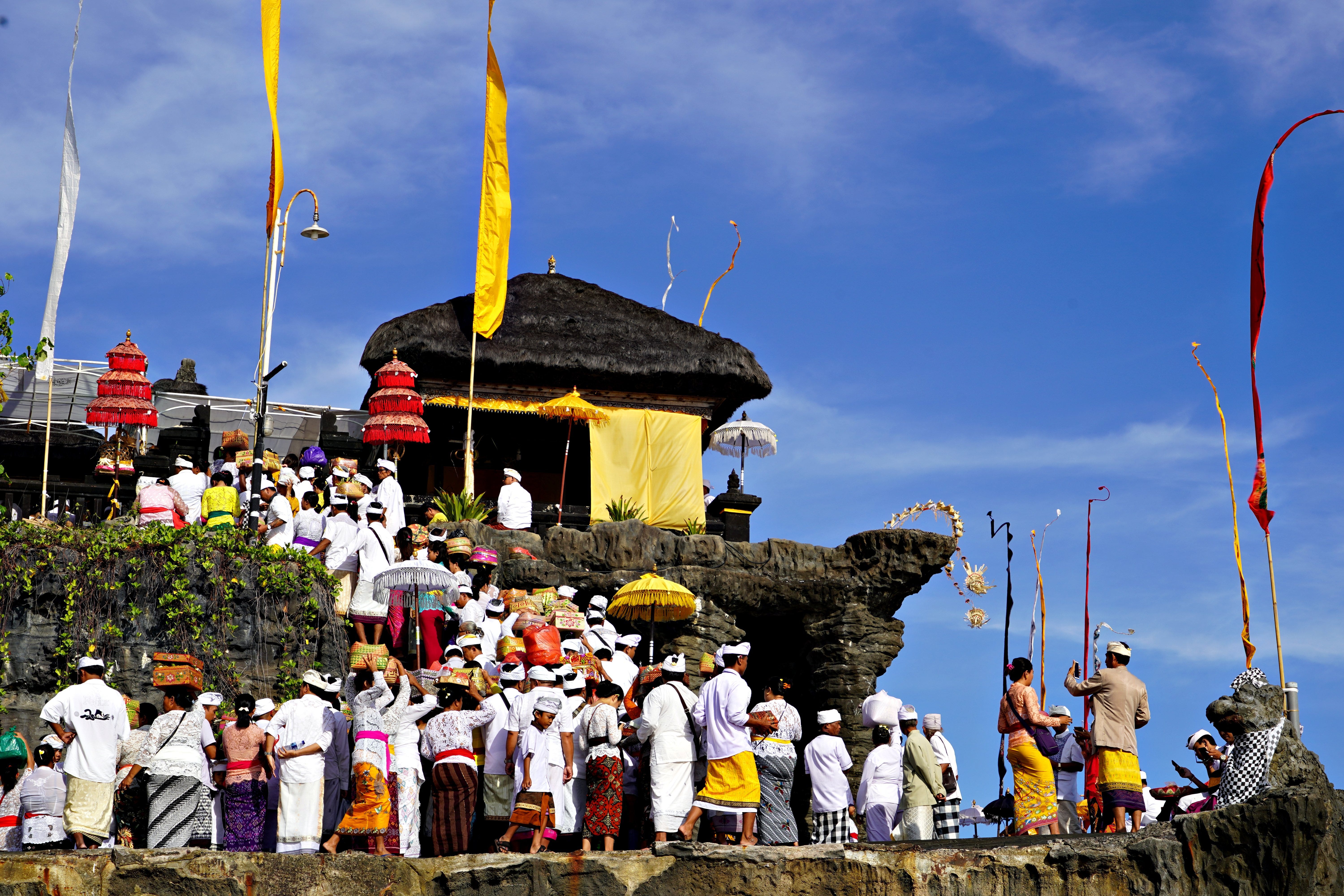
I live in Bali, and one of the first things this place teaches you is that death is not kept in a back room here. It walks down the main road in broad daylight, draped in bright colors, carried on the shoulders of dozens of men, accompanied by a full orchestra.
The first time I got caught in a cremation procession, I didn’t understand what I was seeing.
There was music, bright, clanging, joyful gamelan.
There were towers taller than houses, big statues shaped like bulls, sheets of colour, crowds of people talking and heaving these enormous structures through the streets.
I thought I’d stumbled into a festival. In a way, I had. But it was a funeral.
That gap between what I assumed a funeral should look like and what was actually happening has stayed with me. Back where I come from, death is a hushed thing. Black clothes, lowered voices, the careful avoidance of the word itself. Here it is open, communal and unmistakably a beautiful celebration. Not because no one is sad. People grieve here too. But underneath the grief sits a belief so solid you can almost lean on it: that what is being released is not being destroyed.
Turning into ash
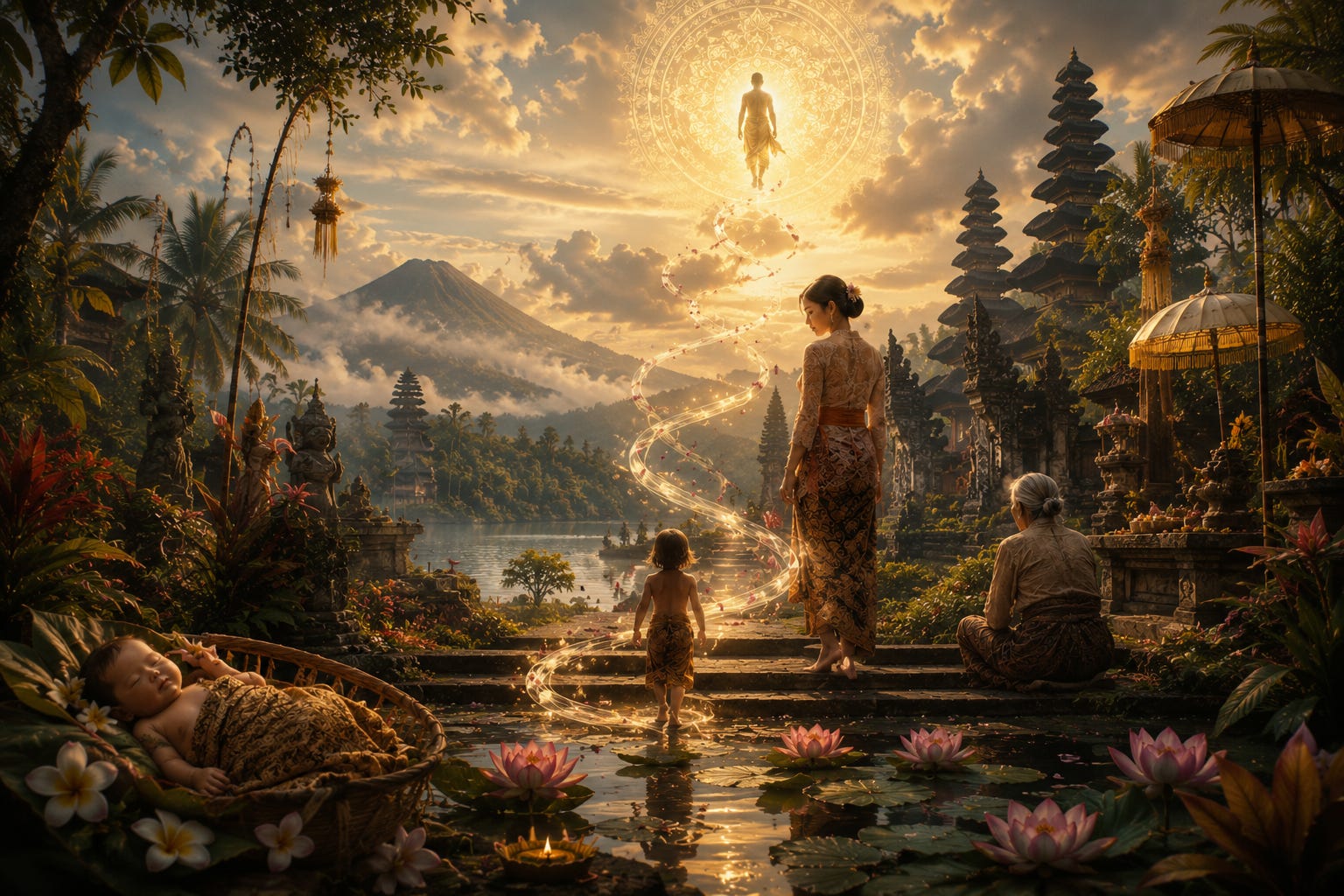
The cremation ceremony is called Ngaben, which roughly means “turning into ash.” But the ash is not the point. The point is the soul.
The body, in this view, is a borrowed thing a temporary vessel made of the same elements as everything else:
earth, water, fire, air, space.
It was never you.
It was the suitcase you travelled in.
And the fire is not an ending; it’s an unlocking.
It frees the soul from the suitcase so it can carry on, toward another life, or, eventually, toward something beyond the whole cycle.
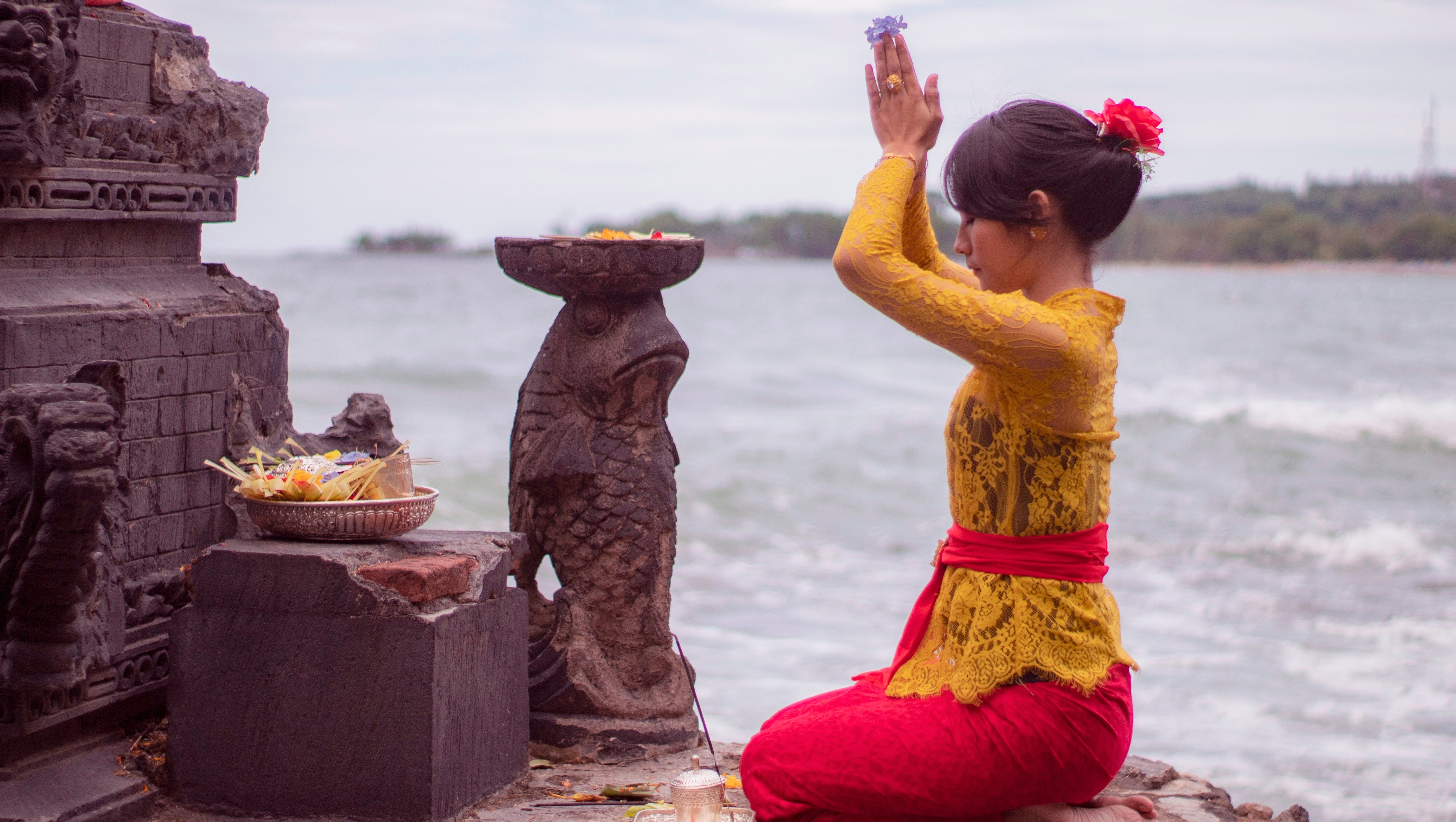
And then comes the part I find most beautiful of all. After the burning, the family gathers what remains, often in a simple coconut shell, and carries it to the water. The ashes are scattered into the sea. The spirit, they believe, returns to the universe it came from given back to the great whole, the way a wave is given back to the ocean it briefly rose out of.
I’ve watched this from a respectful distance more than once and also been invited to a cremation ceremony for one of our teams sister who passed. Each time, something in my chest loosens. There is no fight in it, no clinging, just a beautiful release.
What I actually believe
I will be honest with you where I stand, because this isn’t an article pretending to be neutral. I believe the soul does not die. I believe in reincarnation that this life is one chapter, not the entire book, that we have been here before and will come back again, wearing a different face and learning different lessons.
One idea has stayed with me for years, that the truest part of who we are was never born and will never die, and that nothing happens to it when the body finally falls away. I can’t prove that of course. Nobody can, in either direction. But when I watch the sea take the ashes, it doesn’t feel like a comforting story we tell ourselves. It feels more like a remembering.
The one thing we genuinely know is that the body ends. That part is certain. The soul carrying on that’s my conviction, my faith, the lens I’ve chosen to live through. I hold those two things differently, and I think it’s more honest to say so. The certainty is what makes me pay attention. The faith is what makes me unafraid.
Why I think about it on purpose
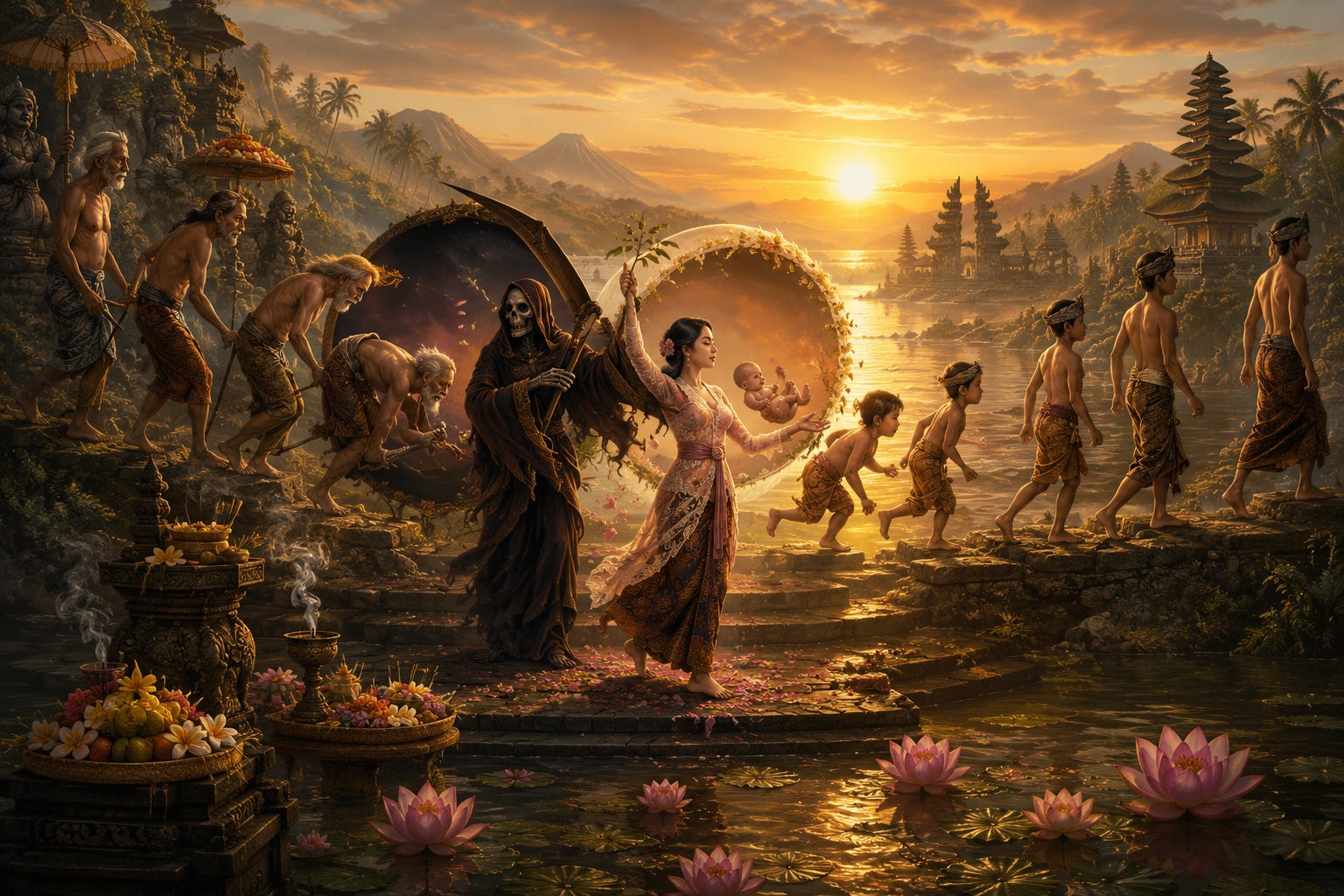
People sometimes find it morbid that death is one of my favorite things to think and talk about. I get it. But I’d flip the question back: isn’t it stranger to not think about the one thing you know is coming?
Living close to death, the way you can’t help but do here has not made me gloomy. It’s actually done the opposite. It’s made the colours brighter. When you really let it land that your time is finite, the nonsense in life shrink. The “I’ll do it later” excuses gets less attention. You hug people a little longer. You stop saving the good plates for a special occasion that might not arrive anyway.
Thinking about death is not the same as fearing it.
In fact, I’ve found it’s the cure.
The fear comes from the avoiding, from treating death as the monster under the bed you refuse to look at, so it grows in the dark. The moment you turn on the light and actually look, it shrinks to its real size. Still serious, still mysterious, but no longer a monster.
And preparing for it actually talking about it, with the people you love, while you’re all still healthy enough to laugh through the awkward parts might be one of the kindest things you ever do.
Not the grim paperwork (though do that too). I mean the real conversations. What matters to you. How you’d want to be remembered. What you’d want released into the sea, metaphorically or otherwise.
The Balinese don’t wait until the deathbed to acknowledge that life is on loan. They build it into the rhythm of the year, into the offerings left out every single morning. Death isn’t an interruption of life here. It’s woven into it.
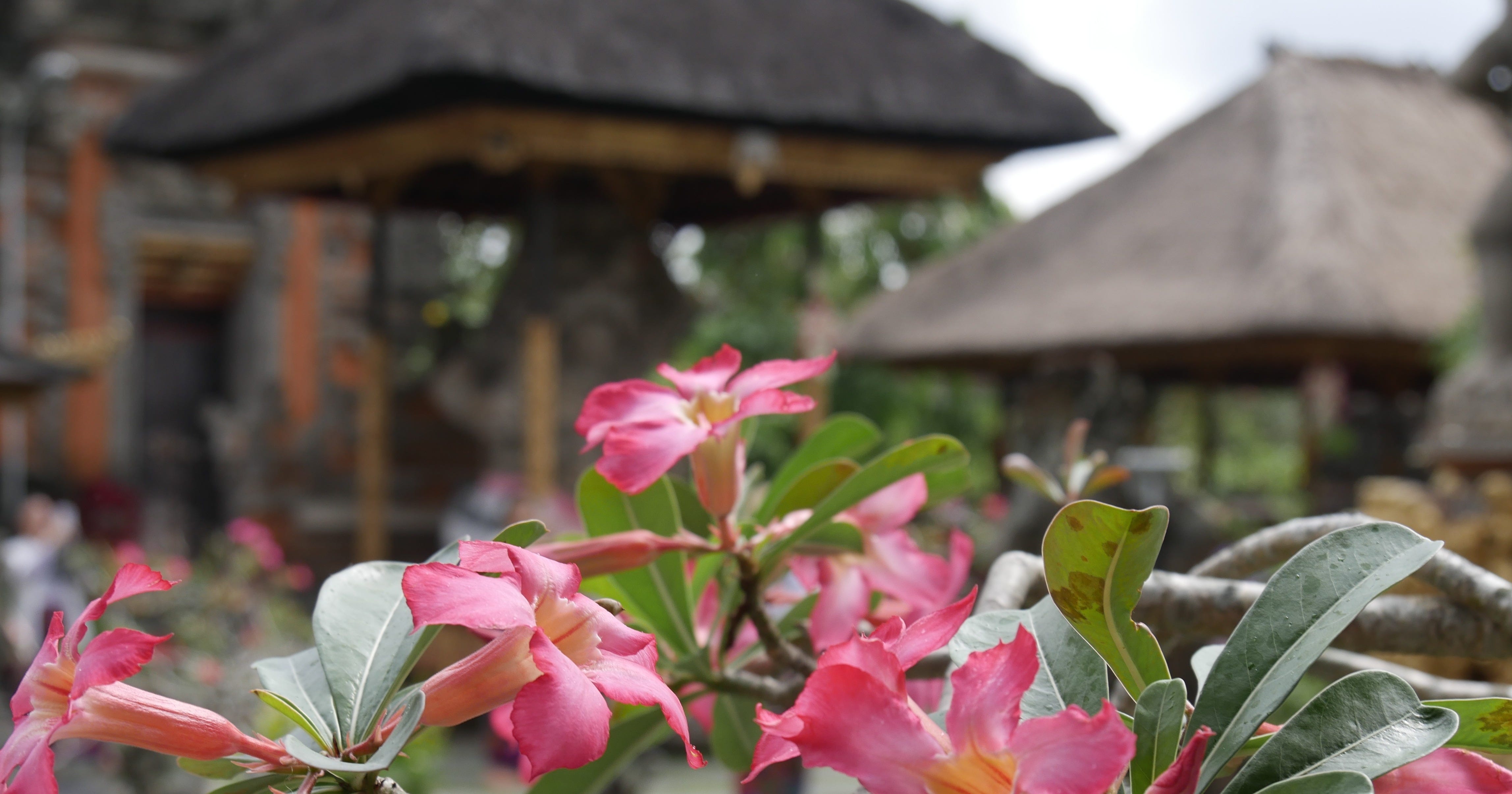
The wave and the ocean
I think that’s one of the real gifts this island has given me. Not a belief I can hand you and tell you to adopt, yours is yours to find. But a different relationship with the inevitable.
We are, all of us, usually a little afraid of letting go. We grip our lives the way a child grips a fistful of sand, certain that holding tighter means keeping it longer. But the sand runs out the side of the fist either way. The only thing the gripping changes is how much it hurts.
So, I’m trying, while I’m still here, to live with an open hand. To love things fully without strangling them. To treat this body as the beautiful borrowed meat suit it is, and to trust that whatever I am underneath it, has been on this ride before and knows the way.
The wave doesn’t lose anything when it returns to the ocean. It was always the ocean to begin with.
That’s the one appointment I’m no longer afraid to keep. And I think, I really do, that talking about it now, out loud, together, while we still can, is how we make sure that when the sea finally comes for our ashes, we go without regret or fear.
Until next time stay grateful and curious.
Much light and love,
Kim
The peoples of Bali, unlike those of the west, haven't lost their connection with nature and spirit. something badly damaged in Britain by the Industrial Revolution, and atheism pushed as the belief system of intellectuals, agnosticism -materialism for the masses. Death is hidden as a failure - what about the career, the expensive kitchen? The implication they like to push is that the spirit dies with the body. There is actually a host of evidence in many books about the survival of the spirit. The Balinese know it instinctively, as they never lost that connection. I think putting ashes in the sea is lovely - I want it for myself - a return to the infinite sea - better than a grave. I agree with you about reincarnation, though I'm hoping it's voluntary, as I'd rather stay in spirit than incarnate into a world run by Satanists, even with high vibration people like you and Ole in it.