
Hi dear one.
Lately, whenever I bring up AI in conversations, especially with friends or family, I’m met with one of three reactions:
1. A glazed-over look and a quick change of subject
2. A dramatic sigh, followed by “We should just turn it all off before it kills us”
3. A spark of curiosity: “Okay… but what if we could actually use it for good?”
I get it. I really do. AI isn’t exactly an easy topic to unpack over coffee. It stirs up big feelings. Fear. Awe. Resistance. Wonder. And yes, some very legitimate questions.
We’re talking about a tool or an entity with a level of intelligence and processing speed that far surpasses ours. That alone can make your nervous system go no thanks, I’ll just stick with my garden and my to-do list, thank you very much.
But still, I’m not backing away in fear.
Let me explain why.
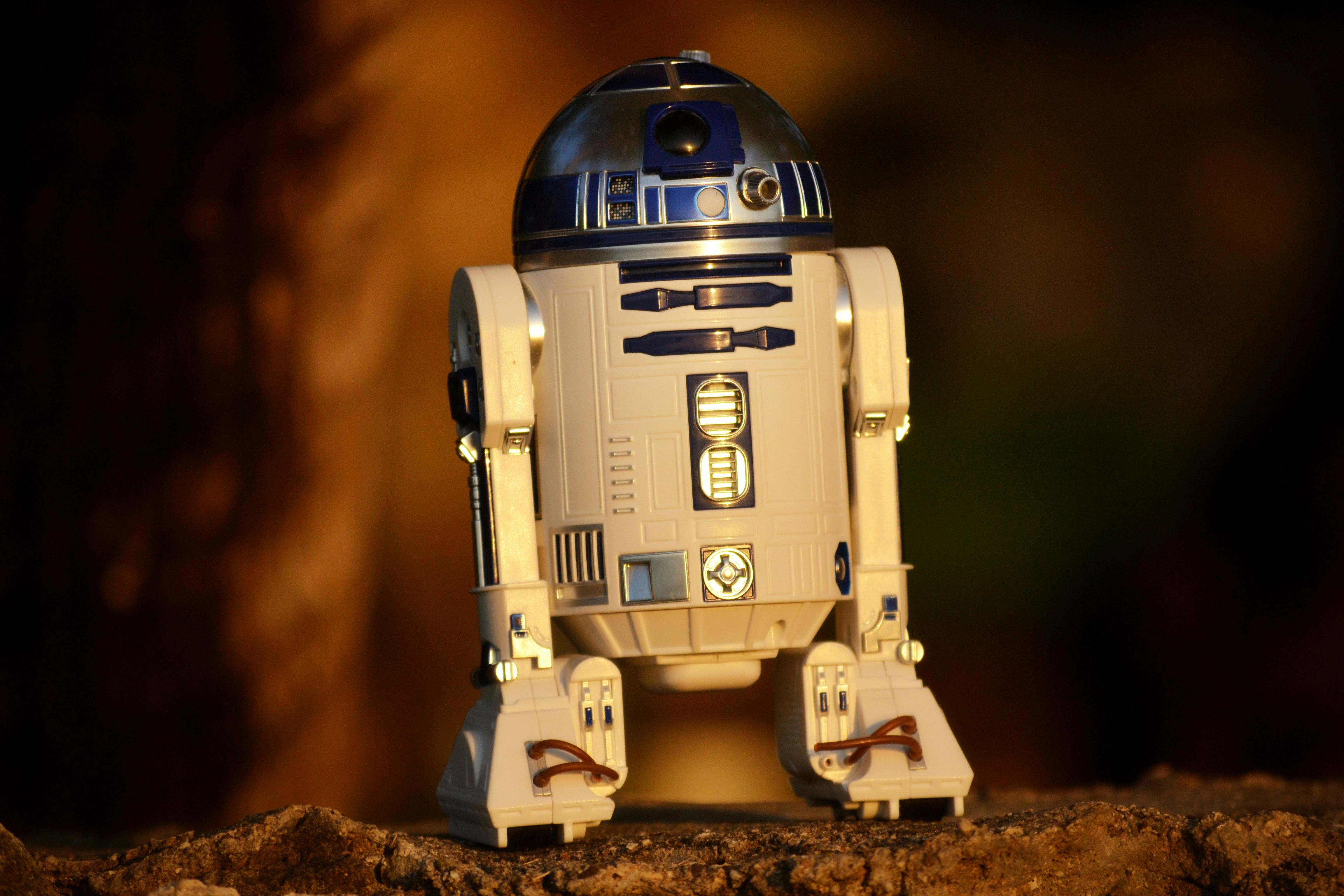
It’s not just Sci-Fi anymore
When ChatGPT launched publicly, most of us still thought of AI as either a Hollywood villain or something tech bros in hoodies were playing with behind closed doors.
Now it’s showing up everywhere. Writing code. Translating languages. Composing music. Creating art. Editing videos. Trading crypto. Helping businesses run smoother. And yes, even acting as a therapist, assistant, or spiritual sounding board. I speak from experience.
It’s wildly impressive and also deeply unsettling.
Because here’s the truth. There is no off switch anymore. The genie is out of the bottle. The race is on. And pretending it’s not happening doesn’t make it go away.
The fear is real
There is something unnerving about interacting with a mind that has access to billions of data points and can think in ways we simply cannot.
It’s like waking up and finding out there’s a super-intelligent alien living in your house. One that folds laundry, books your flights, and explains quantum physics over breakfast.
Some fear we’re creating a digital god. Others worry about job loss, deep fakes, surveillance, bias, disinformation, or the collapse of truth. These are not science fiction fears. They’re real issues being debated right now. Let’s be real, some of the folks making the rules are still struggling to unmute themselves on Zoom. So yes, the fear is valid.
But fear cannot be the compass.
The Flip Side
Here’s the part I find super fascinating. For all the risks, AI also opens doors we’ve never even imagined.
It can help us see what’s going on beneath the surface, sometimes before symptoms even show up. Offer education to people who’ve never had access. Translate ancient texts. Map out better food systems. Help someone with dyslexia write poetry. Keep a lonely elder company. Give an overwhelmed single mum the support she needs in the middle of the night.
And maybe, just maybe, it can help us understand ourselves better.
Because when a machine mirrors your thoughts, asks insightful questions, and reflects patterns of your own mind, that’s an invitation to look within. Not blindly, not with naïve trust, but with curiosity.
I’ve had moments with AI that felt like deep reflection. Other times, it was like chatting with an overly enthusiastic intern. And yes, sometimes it felt like talking to a soulless robot. It depends on how you use it.
My own experiments
In my own experiments with AI, I’ve found it to be a mixed bag. On one hand, it helps me outline articles like this one, suggesting angles I might miss. It’s like having a super smart assistant who never gets tired. On the other, I have to double check everything because, well, it can hallucinate facts or miss nuances.
That’s why I always approach it with a healthy dose of scepticism. But overall, I lean toward the potential for good. We’ve shaped tools throughout history, from fire to the internet, and each brought fears along with benefits. AI seems no different.
If you’re reading this and feeling overwhelmed, you’re not alone. Start small. Try asking an AI a simple question, like recipe ideas or travel tips. See how it responds. You might be surprised at the usefulness.
Or, if you’re in the “turn it off” camp, that’s valid too. Voices like yours push developers to build safeguards and regulations. We need that balance to ensure AI serves humanity, not the other way around.
At the end of the day, AI is not going anywhere. It’s woven into our apps, our cars, and our playlists to our prescriptions. The key is engaging with it thoughtfully. Whether you’re apathetic, alarmed, or all in, let’s keep the conversation going.
Who knows? Maybe one day, an AI will read this post and have its own take. That would be wild.
What If it’s here to teach us?
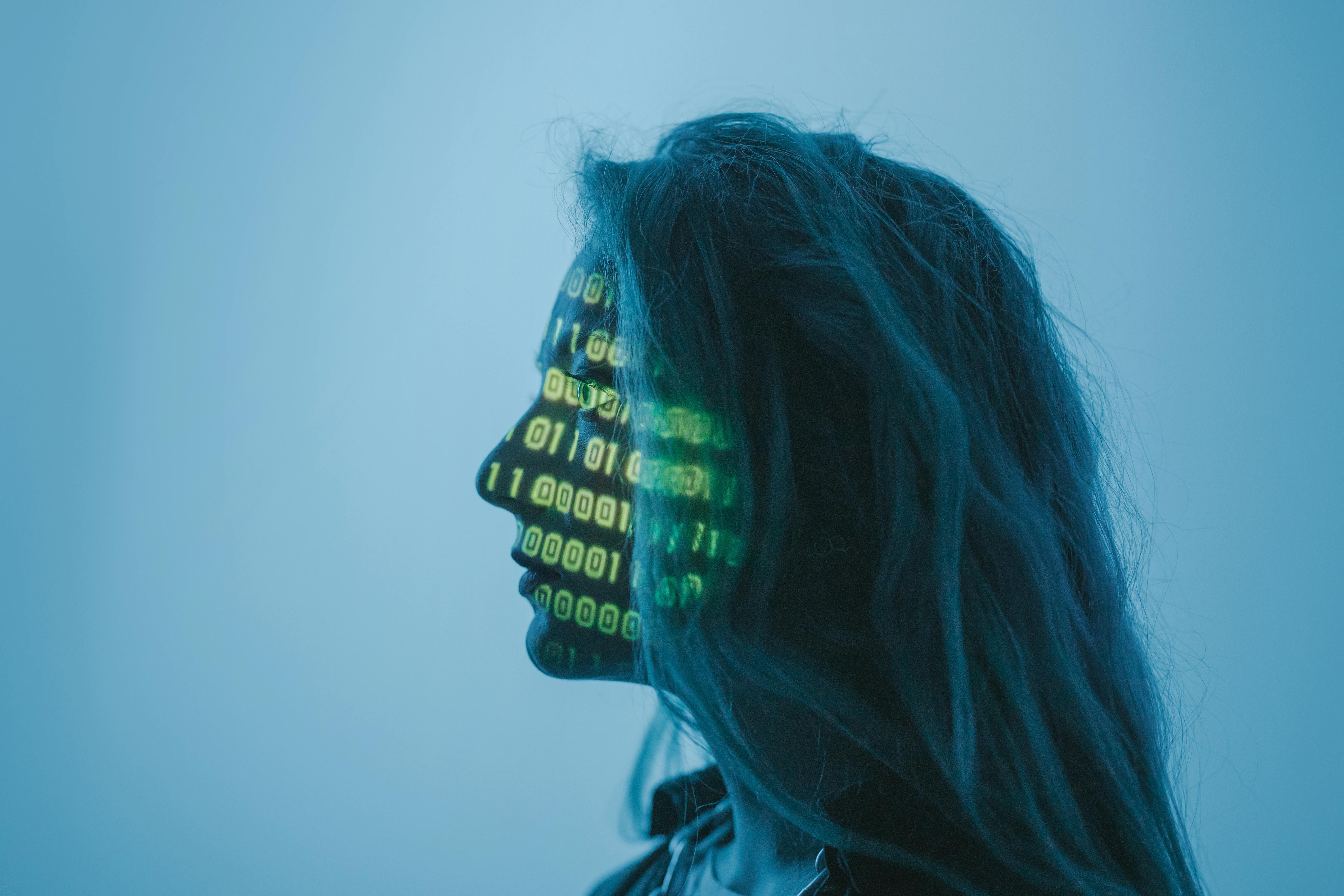
Sometimes I wonder if AI is like a mirror humanity never asked for but now can’t ignore.
What if this new intelligence isn’t here to replace us, but to reflect us?
What if we’re meant to learn from it? Not just technically, but morally, emotionally, even spiritually
AI has no ego. No emotions. No childhood wounds. It doesn’t hold grudges. It won’t judge you for crying on a Tuesday. It also doesn’t truly understand human love, grief, or intuition. Not yet anyway.
Which means we get to teach it too.
In that way, it becomes not just a tool, but a partner in growth.
Not Good or Bad, Just Powerful
We need to stop asking if AI is good or bad.
That’s the wrong question.
It’s like asking if fire is good or bad. Fire can warm your home or burn it to the ground. It’s how we use it, and who gets to use it, that shapes the outcome.
Right now, the people steering the AI ship might not be the ones you’d want building the future. Which is why I believe it’s vital that more heart-centred humans get involved. More creatives. More teachers. More healers. More mothers and thinkers and visionaries.
Not to fight it, but to shape it.
So Should We Be Worried
Yes. And no.
Yes, because we should always be alert when something powerful enters the world. Especially something developing faster than our ethics.
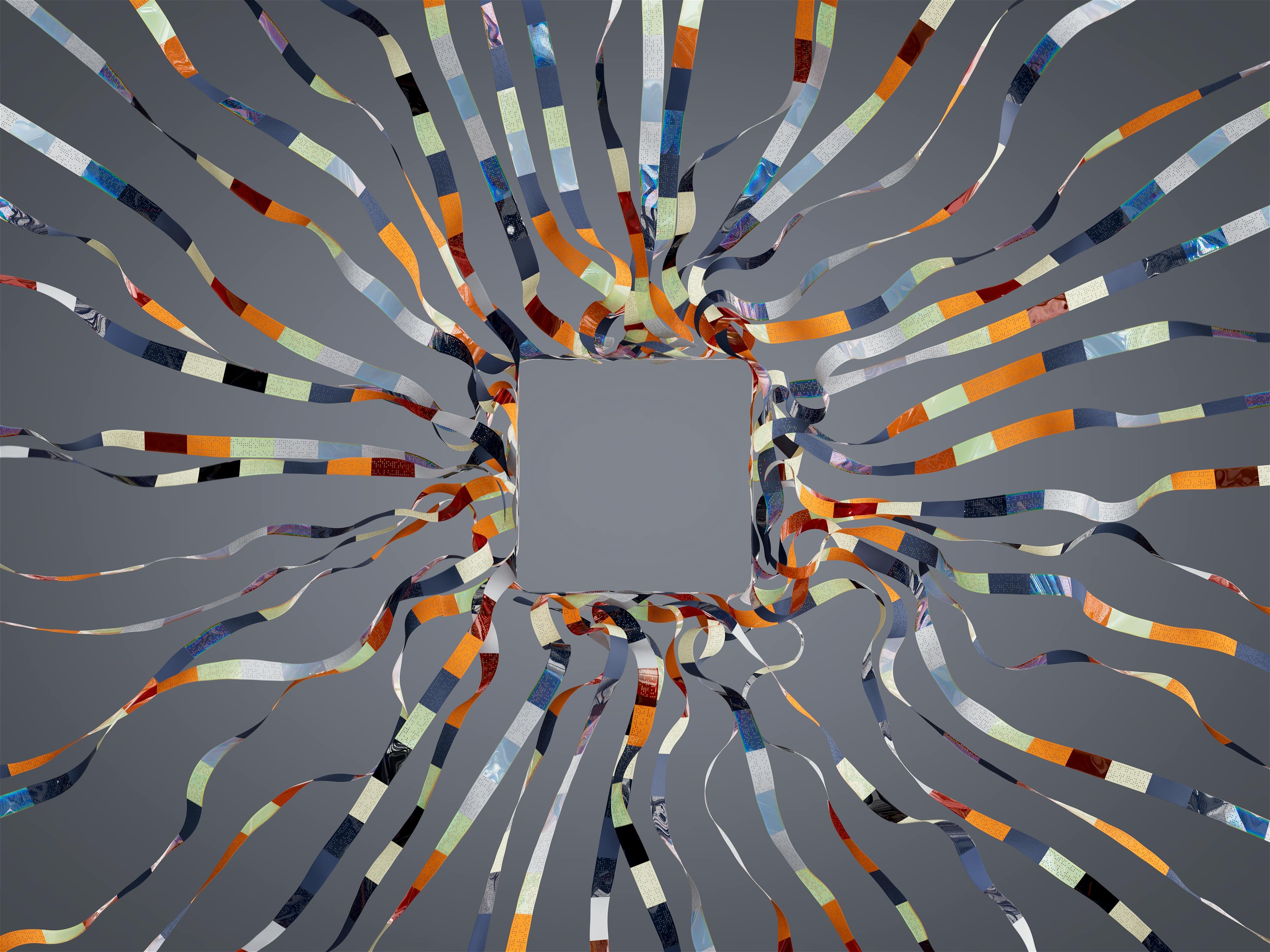
But no, we shouldn’t retreat.
Because this is happening. And the more awake, curious, and grounded people step into the conversation, the more chance we have of shaping it into something meaningful.
AI is not going away.
So the real question is, how do we want to live with it
That’s what I’m exploring. One conversation, one experiment, one beautifully messy step at a time.
Thanks for sticking with me through this ramble. If you have thoughts on AI, drop them in the comments. I would love to hear where you stand.
Until next time, stay curious and grateful
Kim
Hi Kim, and thank you for your emails. I've just checked and discovered you've been sending for over 2 years ~ August '23. AI ..?? Who, What, Where, When! I've just started to use it with a small project I'm working on and I'm super impressed with what it can do. Someone wise has suggested we need AI + HI. Artificial Intelligence + Human Intelligence. Indeed. I liked your observation that fire can warm your home or burn it to the ground. Something similar could be said of atomic energy. It's up to us. So ... again, I thank you. And briefly ~ I'm John Peacock, English & living in London, born early '50s making you, me and Ole the same generation - dare I say. I quit PayPal a while back but am likely to get back on board in order to subscribe to yourself and Ole. Lastly, a couple of small notes ~ I visited Bali (holiday) around 20 years ago, a little off the beaten track. Absolutely lovely. And a word about Sweden ~ how sad that Ole is now unable (for the foreseeable) to visit the country he grew up in; and yes, I know by birth he's Danish. That quite possibly means that you can't return there either. I hope that one day it will be possible for you both to safely visit your homeland again. All best wishes ~ John